
/ Case study
The Futur
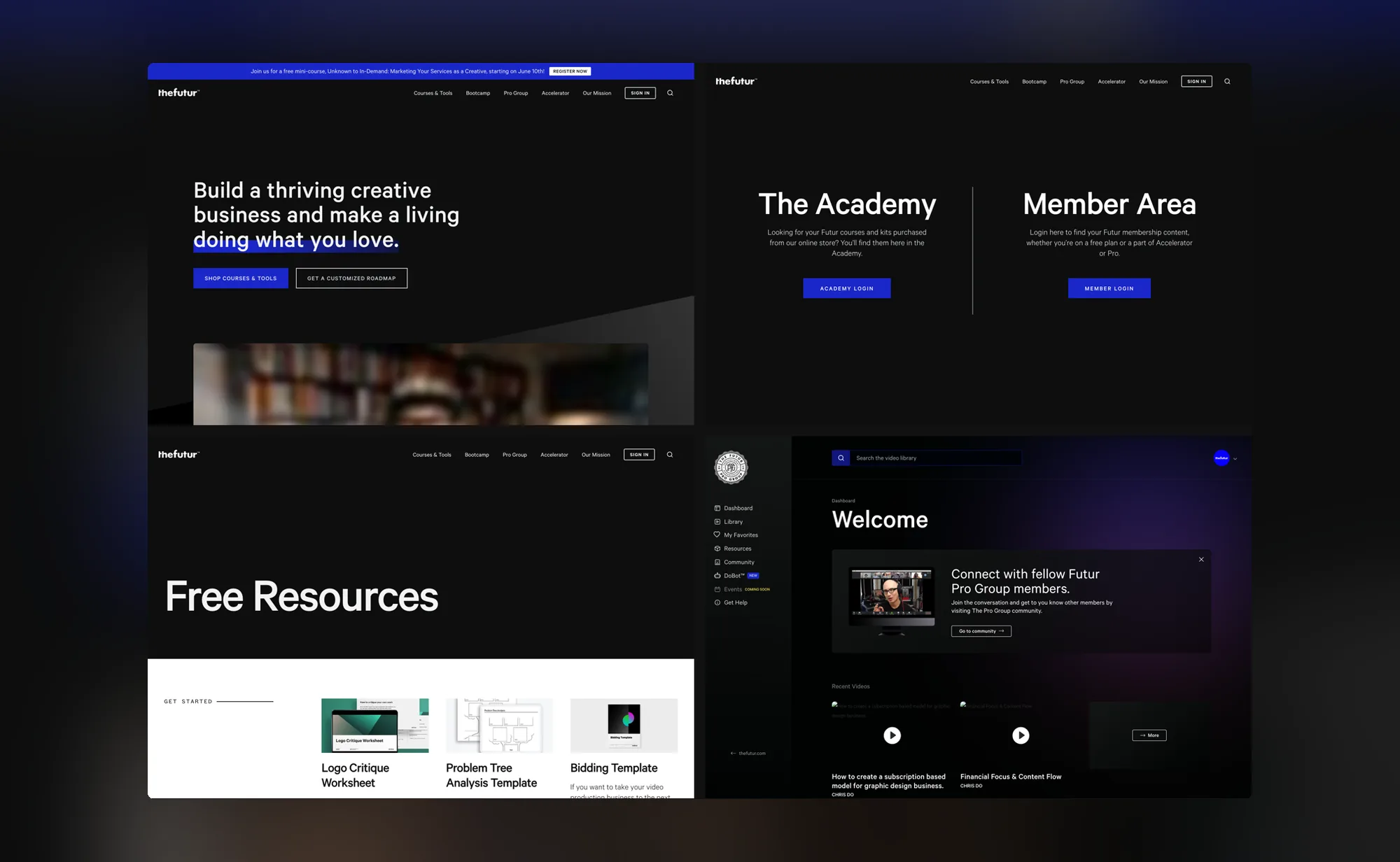
Our first client ever ran four Webflow projects behind one domain, with one login for its site and its Circle community.
Fri3nds project record and Wayback Machine captures, 2022 to 2024
Who The Futur is and why its website needed a tech partner
The Futur is the design and business education brand founded by Chris Do, with courses, coaching, a Pro Group community and a deep library of free videos. It was also our very first client, starting in 2021.
Over time the work grew from pages and launches into the plumbing underneath them: how the site was hosted, how members signed in, how the team published. When The Futur needed help from one of its platform vendors, Ben Burns, The Futur's COO, introduced Marcelo in one line.
"I'd like to introduce you to Marce - he's heading up our tech endeavors."
— Ben Burns, COO, The Futur
The challenge: one website carrying the whole business
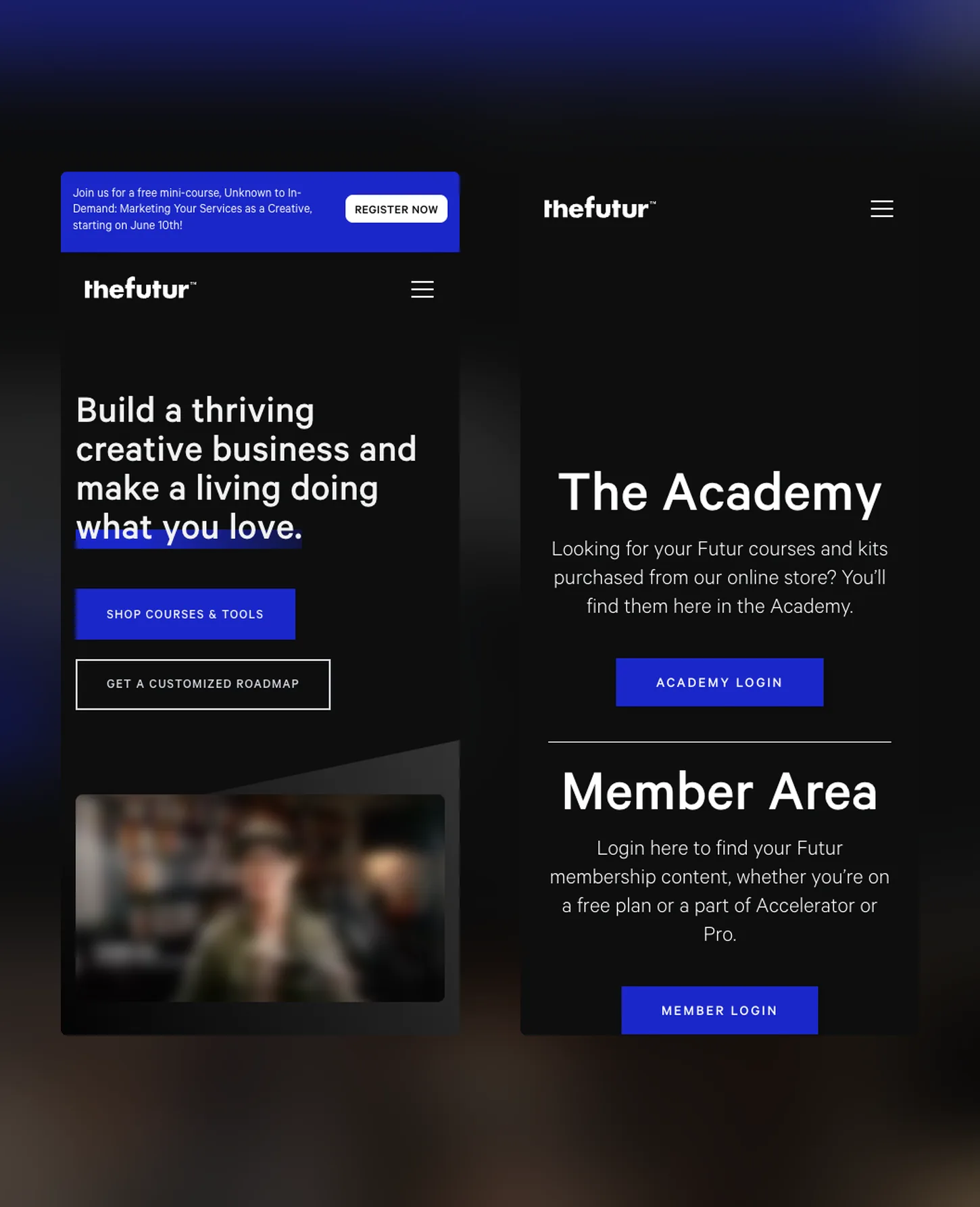
Everything The Futur sold or gave away ran through the site: the shop, the Academy, the memberships, events, free resources. Each new program added another tool behind it. Members had one login for the website, another for the community, and a separate academy for courses.
The marketing team wanted to publish events and lead pages without waiting on developers, and without risking the pages that took payments. Ben put the stakes plainly in a note to the whole team.
"Our website is designed to be the centralized hub of everything we do. It's where our business lives or dies."
— Ben Burns, COO, The Futur
How we split one site into several Webflow projects under one domain
One Webflow project could not hold everything safely, so we stopped asking it to. We set up a reverse proxy, an NGINX server on AWS with The Futur's SSL certificate, in front of thefutur.com. Visitors still saw one address, while each part of the site lived in its own Webflow project: the main site, the membership area and the login pages. Before switching anything, we tested the setup on a staging copy of The Futur's membership account.
Later we gave the marketing team its own project for events, free resources and lead pages, built from components that matched the main site, so they could publish without touching the pages that took payments.
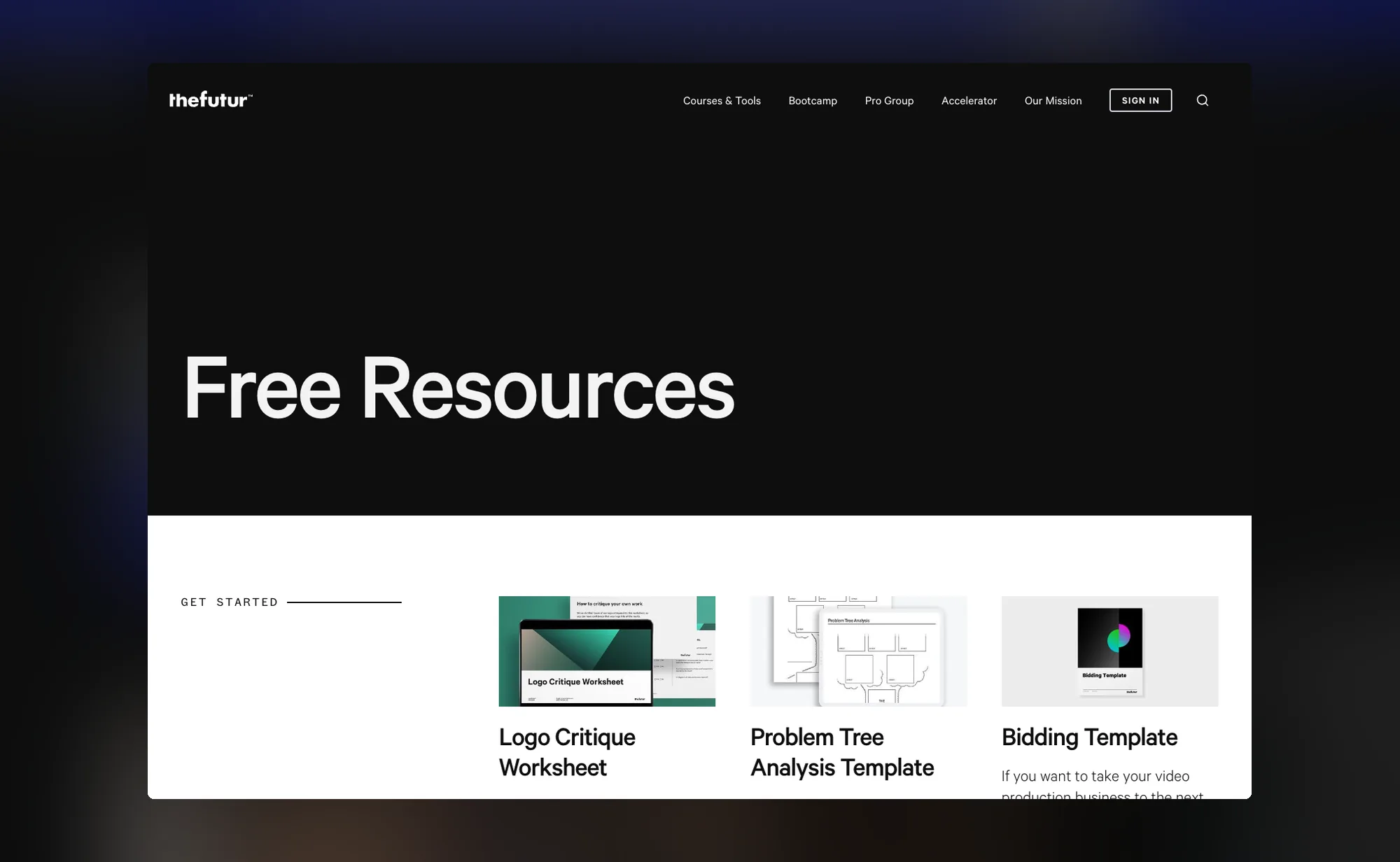
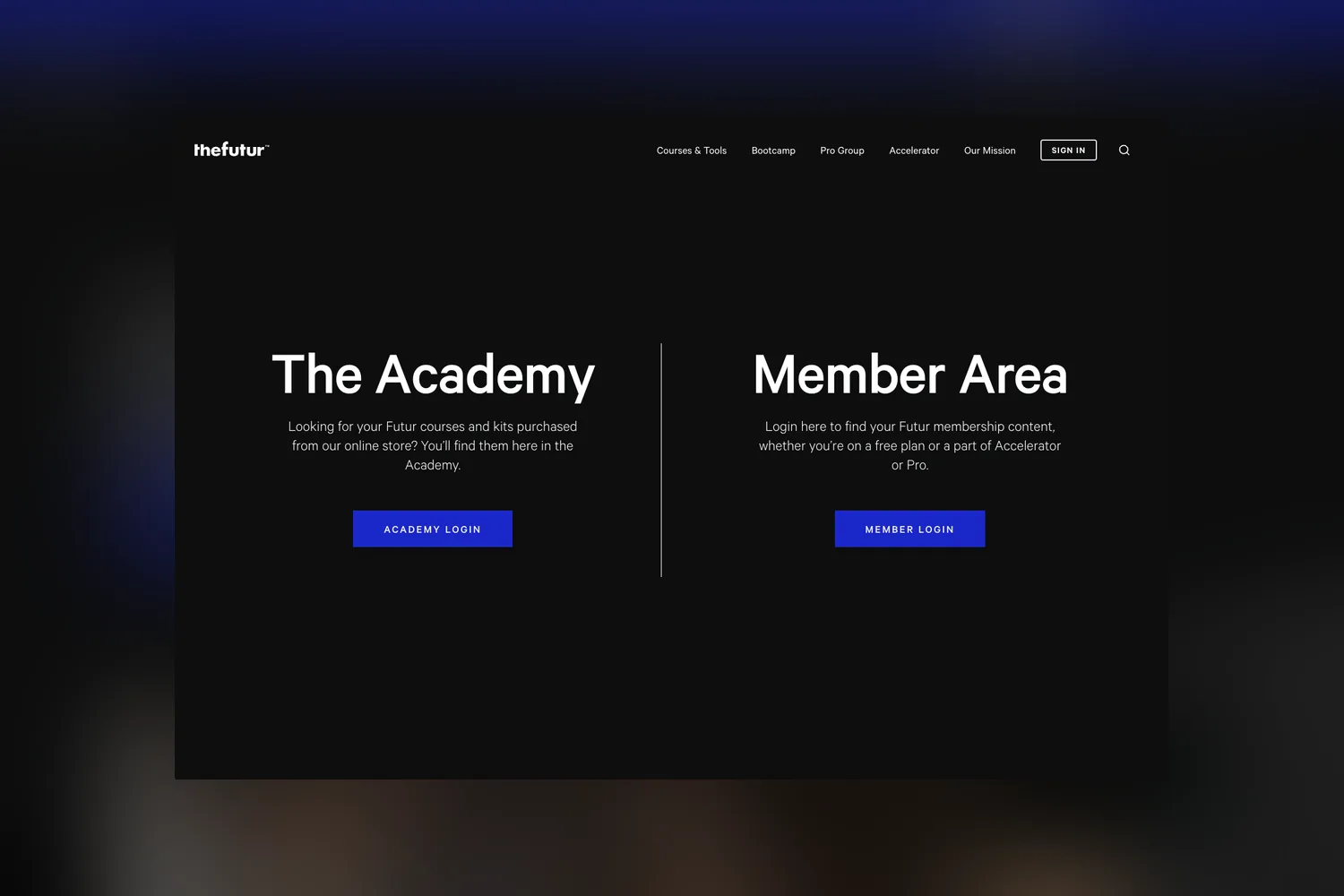
- 4 Webflow projects served under thefutur.com
"Marcelo has a technical background, and was able to help with a lot of technical work that pushed Webflow way beyond what I could do with it."
— Ben Burns, COO, The Futur
How we gave members one login for the site and the community
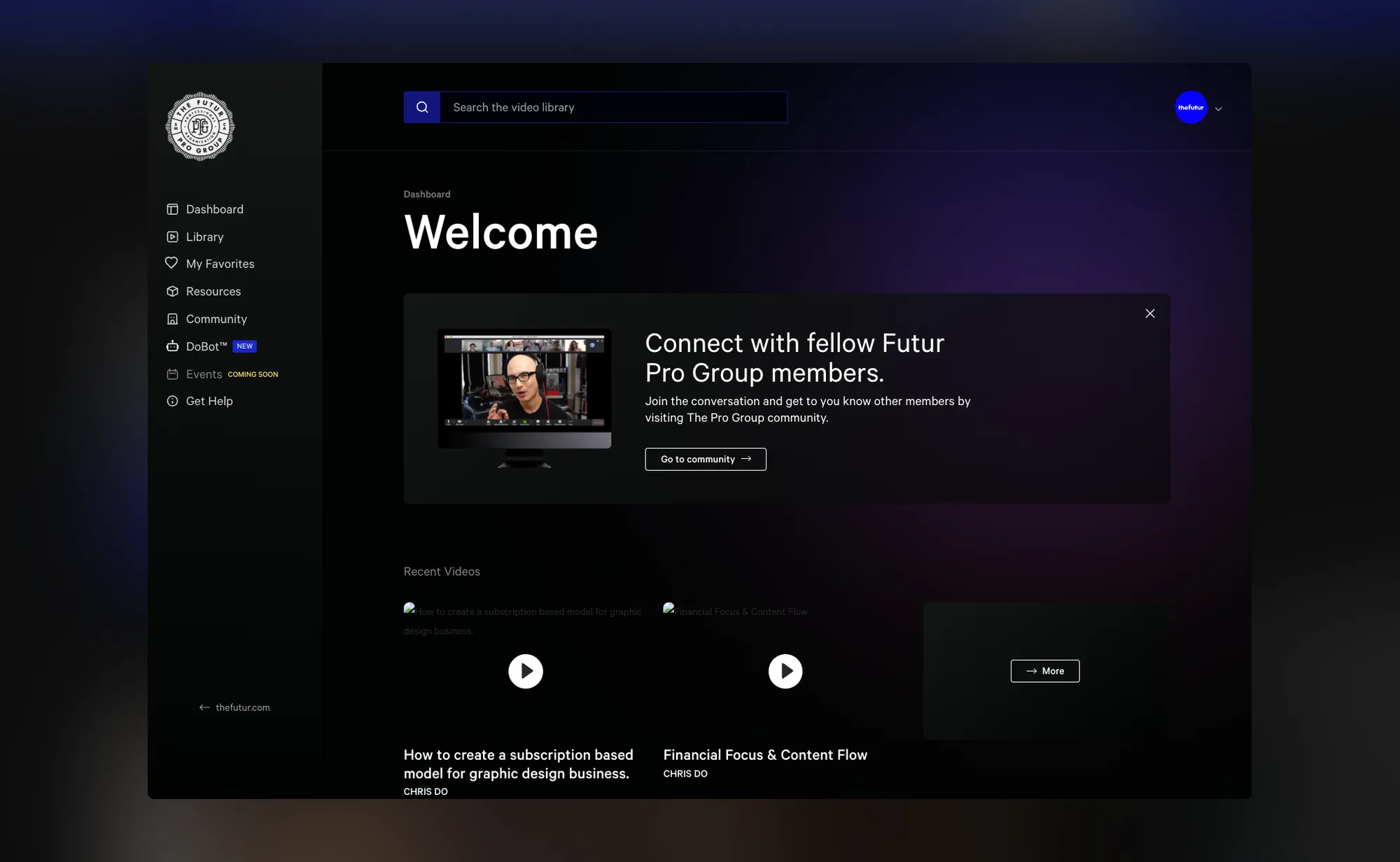
The Futur's community had grown up on Facebook Groups and Slack, and we moved it to Circle. We wired single sign-on with OpenID Connect through Outseta, so a member who signed in on the website could open the Circle community without logging in again. That meant one OAuth client per destination, callback URLs that matched each site, and weeks of testing with Outseta's team.
In a later round, we rebuilt the membership checkout as one branded page: every plan, the member's details and payment in a single step, with Stripe's 3D Secure checks and custom TypeScript running on The Futur's own server instead of a default embed.
What changed for The Futur's team
The Futur's site stopped being one fragile project. Each part could change on its own schedule: marketing shipped its pages, the membership area kept taking payments, and members moved between the site and the community with one sign-in.
We met with Ben and the team every week to pick the next slice, and the platform kept stretching to fit new programs, from the Accelerator to Brand Lab. For us, it was where we learned to treat Webflow as one part of a larger system, the way we have approached every platform since.
Credits
Client: The Futur. Ben Burns (COO)
Reverse proxy, multi-project setup, community move to Circle, single sign-on, marketing project and custom checkout: the Fri3nds team, with Marcelo Russo, Federico Rano and Richard Reynolds
Platforms: Webflow, Outseta, Circle, Stripe, AWS
Services: Webflow development, platform architecture, reverse proxy, single sign-on (OpenID Connect), custom checkout, component system
Let's get your next pageout this week.
Some months need more than the block of hours covers. The same team scales up for a launch, a rebrand or a migration, without a new onboarding.
Book a free discovery call